



Articles
Prohibited plants in Palestine | نباتات فلسطين الممنوعة
Nov
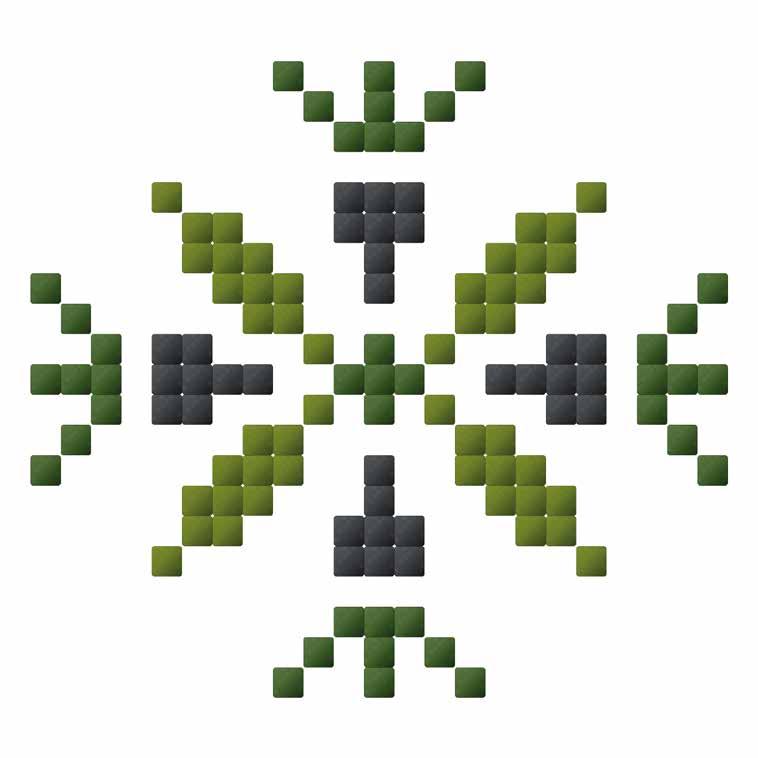
For countless generations, Palestinians foraged and harvested the fruits of their land, from wild plants like tumble thistle (Akkoub), medicinal thyme (Za’atar), and wild sage (Meramieh) to cultivated staples like olives, oranges, and watermelons. Like al other facets of their lives, their autonomy over their own food is under occupation. In addition to confiscating farmlands and uprooting centuries-old fruit trees, the occupation imposes oppressive laws forbidding Palestinians from picking and growing the plants that comprise their culinary, medicinal, and cultural traditions. Despite this, Palestinians continue to find ways to resist.
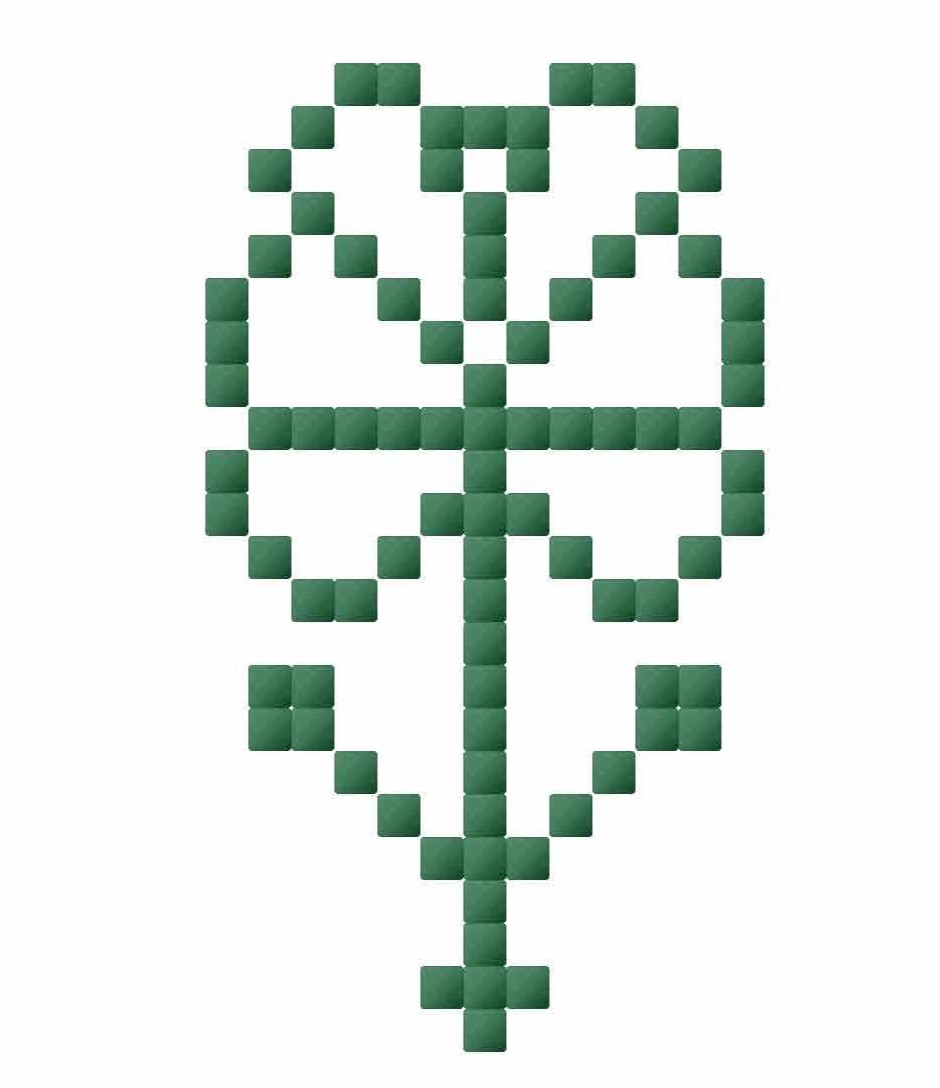
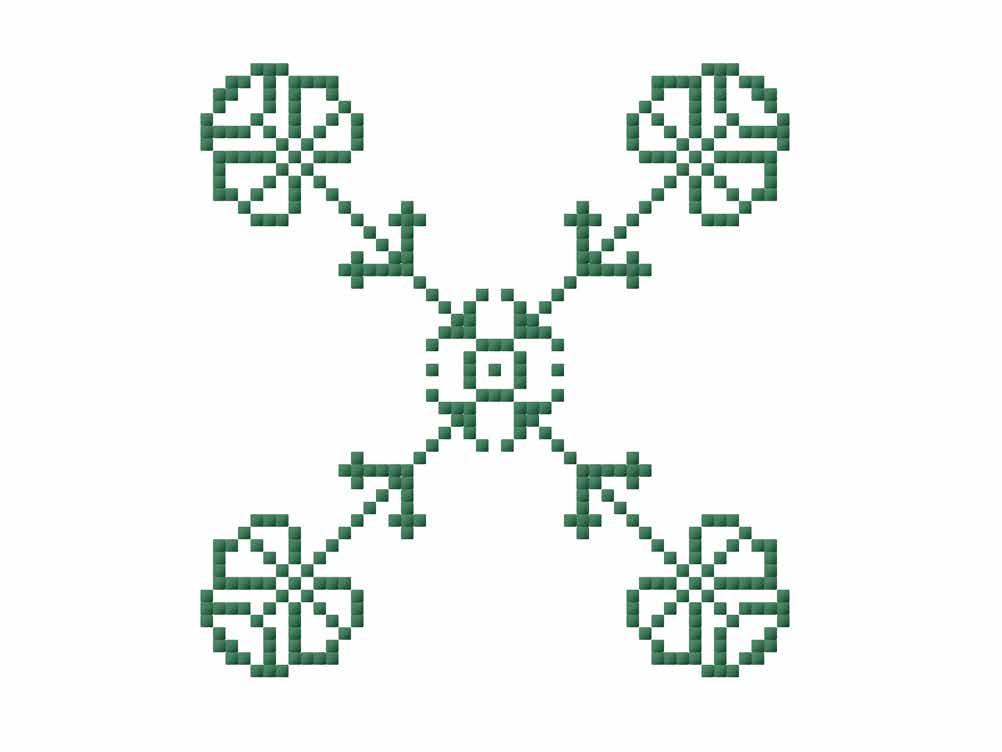
Each Tatreez1 motif documents a “Forbidden Plant of Palestine,” carrying a story of connection and resilience, offering a reminder of the enduring bond between the people and the land that nurtures them.
Palestinian women have long documented their stories and surroundings through embroidery, preserving history and identity in every stitch. Through creating my own motifs for the plants that Palestinians are restricted from accessing on their own land, I am continuing this tradition —using thread as a form of resistance. This project is my way of documenting apartheid, reclaiming narratives, and strengthening my connection to my roots and identity. Each tatreez motif is a testimony of endurance, belonging, and the fight to keep our heritage alive.
Olive tree | ﺷﺠﺮة اﻟﺰﻳﺘﻮن
The olive tree is the heart of Palestine: planted by ancestors, nurtured by generations. Yet, thousands are uprooted due to the occupation, denying farmers their livelihood. This tatreez motifd preserves its presence, a small act of defiance through thread and neddle.
Watermelon | ﺑﻄّ ﻴﺦ
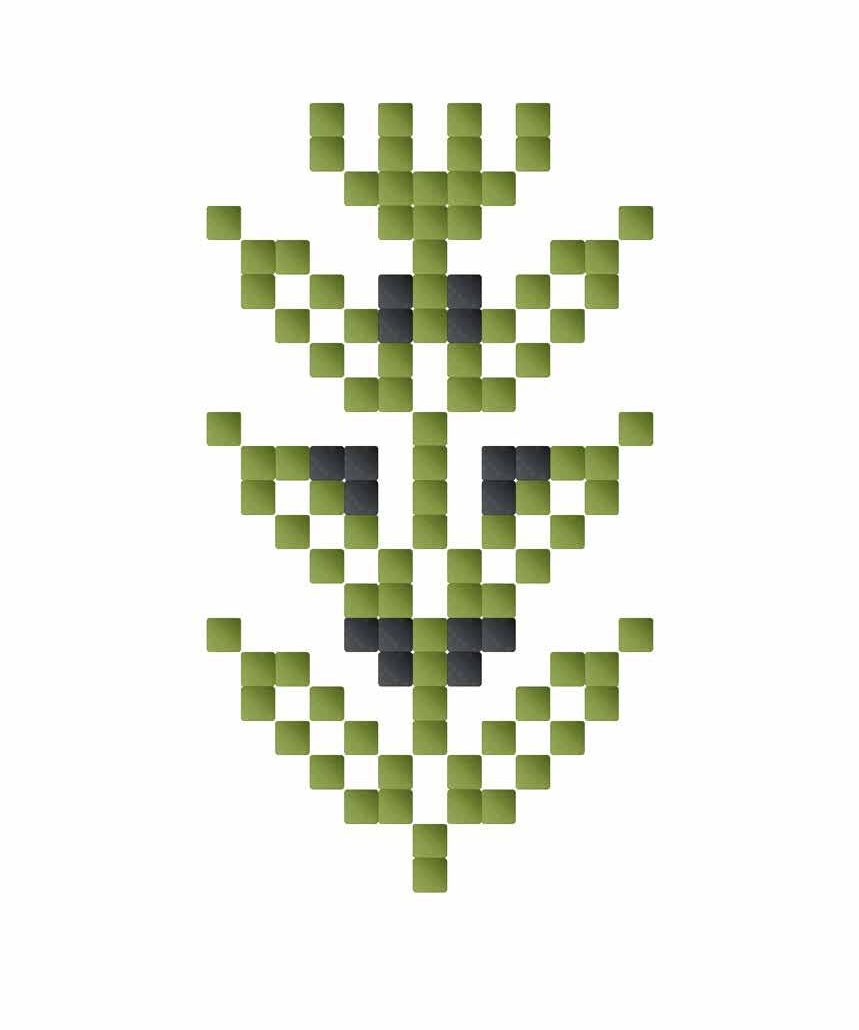
Watermelons are a powerful symbol of Palestinian identity, resilience and connection to the land. Once widely grown using traditional methods, their cultivations has been disrupted by occupation and land confiscation. Since the 1967 ban on the Palestinian flag, the watermelon’s colors have symbolized resistance, appearing in art and ambriodery as a quiet but powerful act of defiance and cultural pride.
Thyme | زﻋﺘﺮ
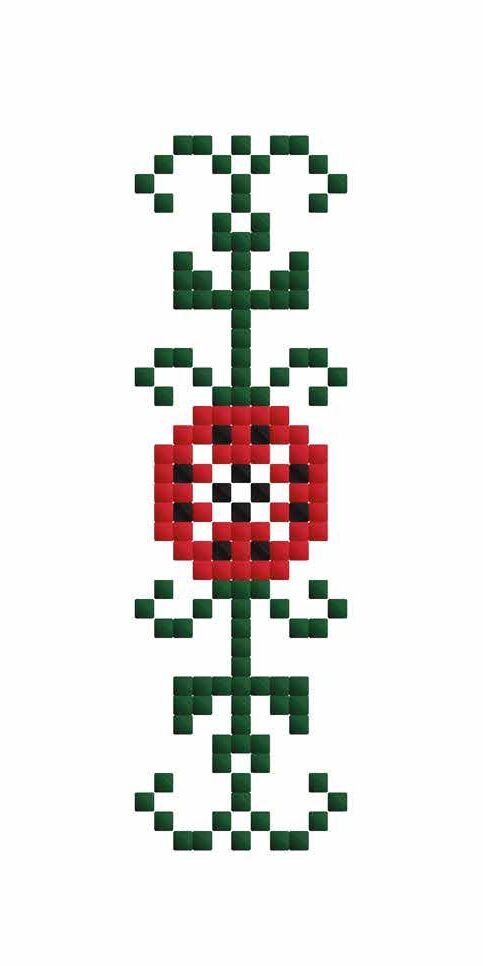
Za’atar (thyme) is more than a herb. It’s a taste of home, a morning ritual, a scent carried by the wind. Yet, its foraging is criminalized by the occupation. This motif is a tribute to the enduring spirit of Palestinian traditions.
Orange tree | ﺷﺠﺮة اﻟﺒﺮﺗﻘﺎل
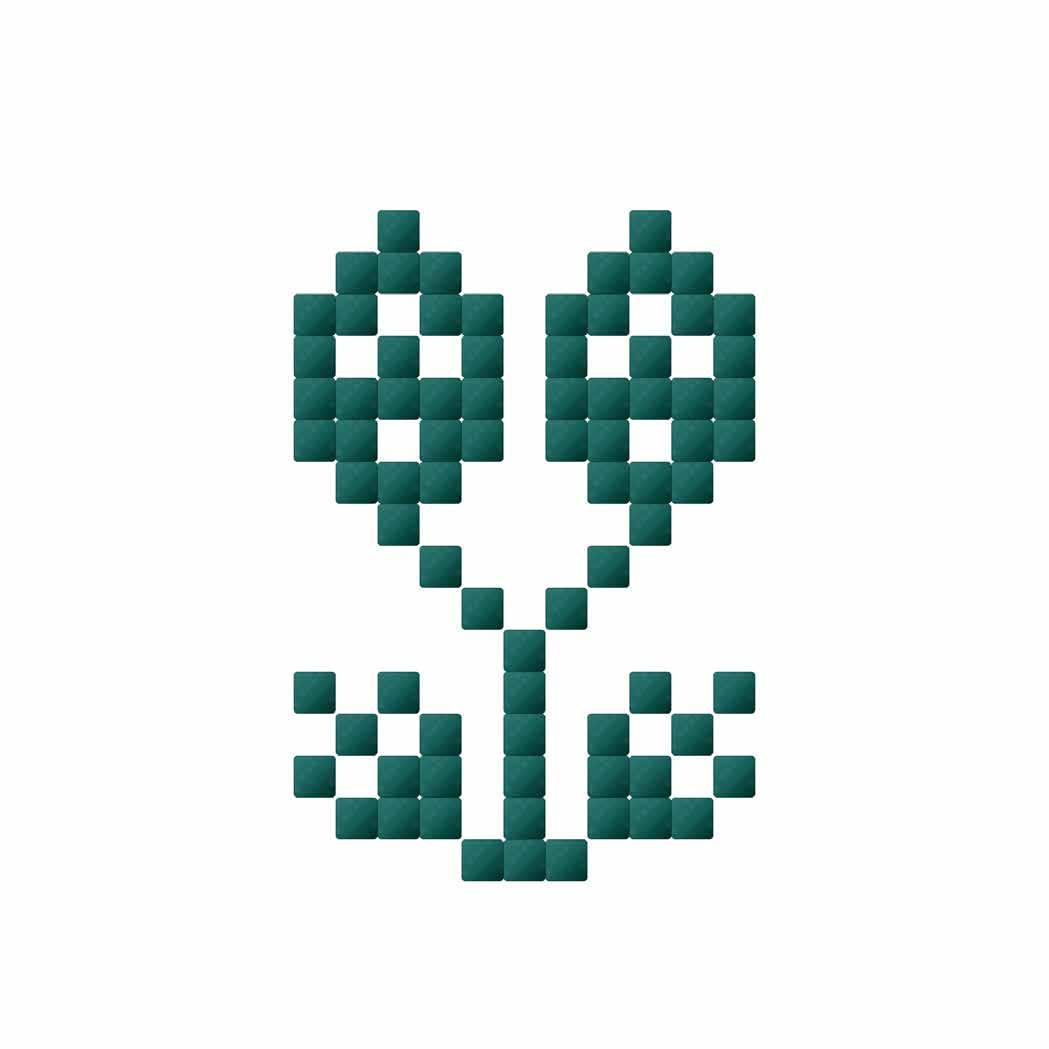
Jaffa oranges once traveled the world, a proud symbol of Palestinian agriculture and a livelihood for generations of farmers. Today, many orchards have been taken or destroyed due to the occupation, restricting Palestinian access to their own land and harvest. Yet, the orange remains a memory of what was and what still endures. This tatreez pattern is a tribute to those groves —stich it, share it, keep it alive.
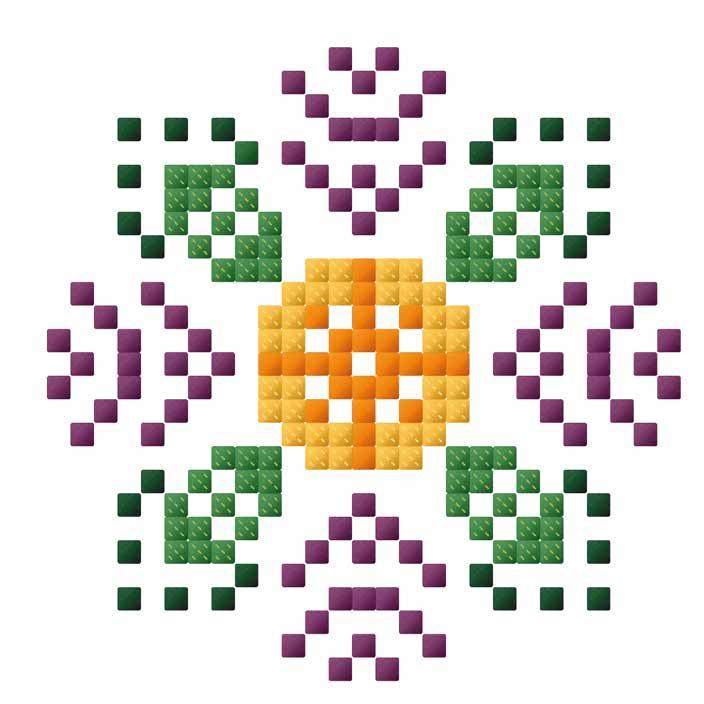
Gundelia | ﻋﻜّﻮب
Akkoub (gundelia), a wild thistle foraged for generations, is now restricted for Palestinians. If caught harvesting akkoub in certain areas they face fines or legal action. Despite the risks, Palestinians continue to forage for it as an act of resilience and defiance. This plant remains a symbol of deep-rooted connectino to the land, growing stubornly across hills and valleys.
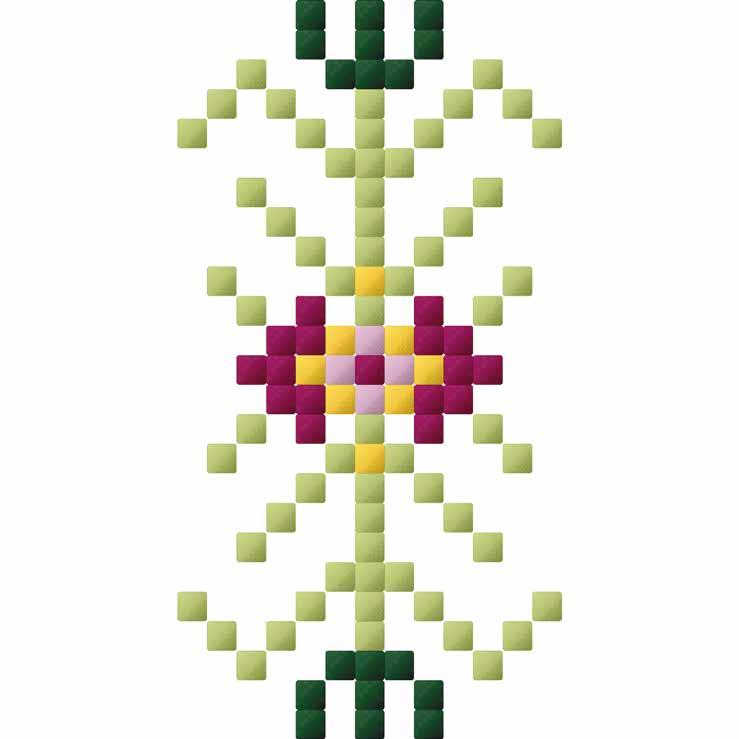
Sage | ﻋﺮق ﻣﻴﺮاﻣﻴﺔ
A cup of sage tea, stepped in history and warmth, is a Palestinian — a taste of home, healing and tradition passed down through generations. Once freely foraged from the land, even this familiar plant is now caught in land restrictions due to the occupation, limiting Palestinian access to their own herbs. Stich it as a reminder that our roots persist, no matter the barriers placed before them.
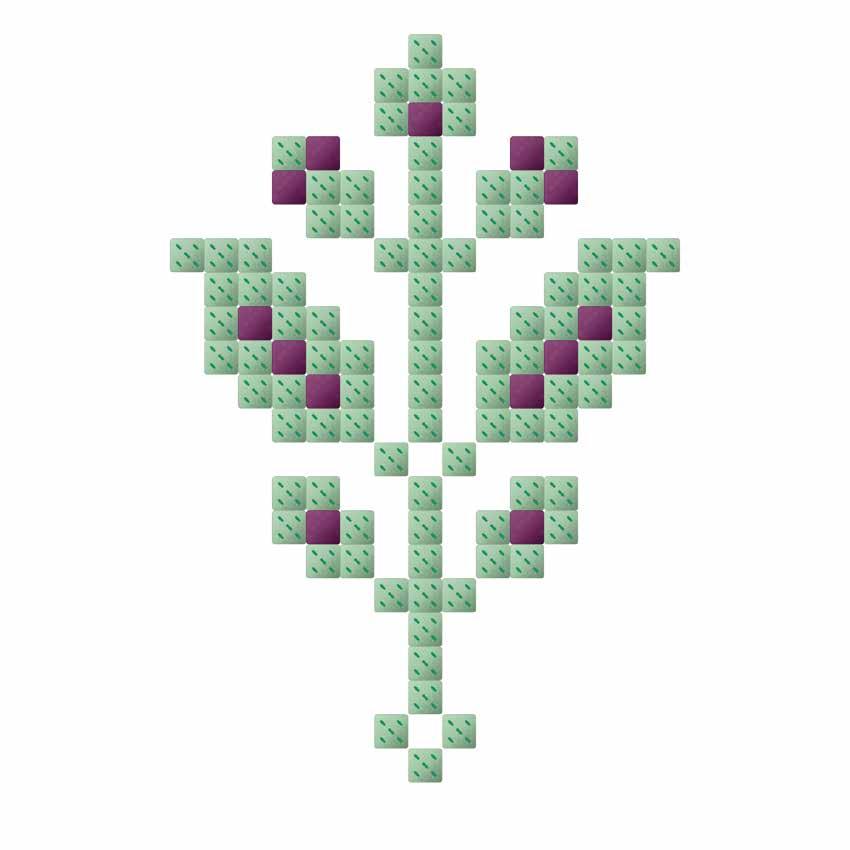
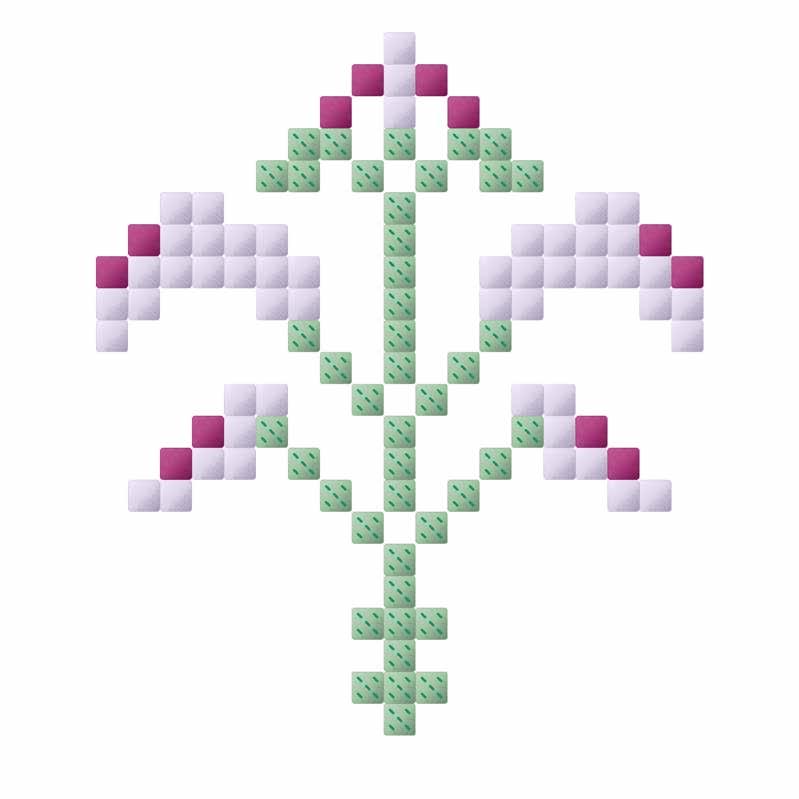
Mallow | خبّيزة
The mallow plant, foraged from the wild and cooked into humble meals, has nourished Palestinian families for generations. In times of siege and scarcity, specially in Gaza, ir returns as a vital lifeline. This tatreez motif honors its role — quiet resilience stiched into fabric, a leaf of survival in the face of hunger.
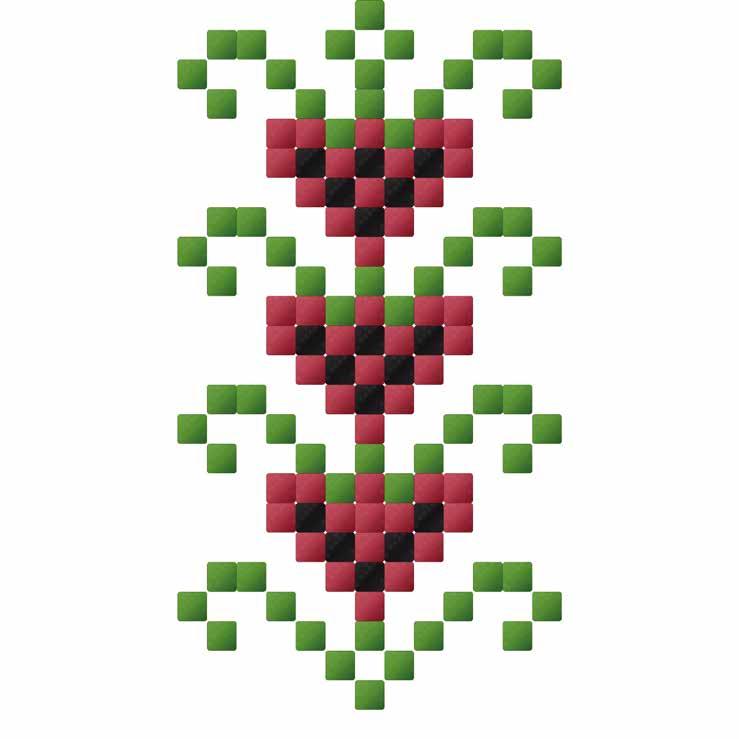
Strawberry | ﻓﺮاوﻟﺔ
The strawberry is Gaza’s “red gold”, grown in the sandy soil of Beit Lahiya. Though not native to this land, it has taken root in its heart nurtured by farmers’ hands through cold winters. Once carried across borders to distant markets. Now, under the shadow of genocide, even these fragile fields are being uprooted and destroyed. Through this motif, the story of gaza’s strawberry cultivation is preserved.
These motifs were created for educational and cultural expression and are strictly intended for non-commercial use. Any commercial use, reproduction, or sale is prohibited. The Palestinian cause should not be used for profit. If you wish to share or use these motifs, proper credit is required.
I would love to see how you incorporate them into your work—please tag me and use #ForbiddenPlantsOfPalestine when you share!
Notes:
1 Tatreez means “embroidery” in Arabic and more specificaly refers to a traditional form of Palestinian embroidery practiced within Palestinian communities and across their diaspora.
Source:
2024: Forbidden Plants of Palestine Motifs
Download the PDF in Spanish, Arabic, French, Italian, German, Catalan, Basque and Japanese.
Instagram: @shereen.quttaineh
Email: Shereenq@gmail.com
Cover image: Tatreez olivo ©Shereen Quttaineh 2024